




Health & insurance
Reviewing claims and benefit documents: where document intelligence helps
Many checks are reading and comparing. Others are weighing up. Document intelligence helps with the first and leaves the second where it belongs.

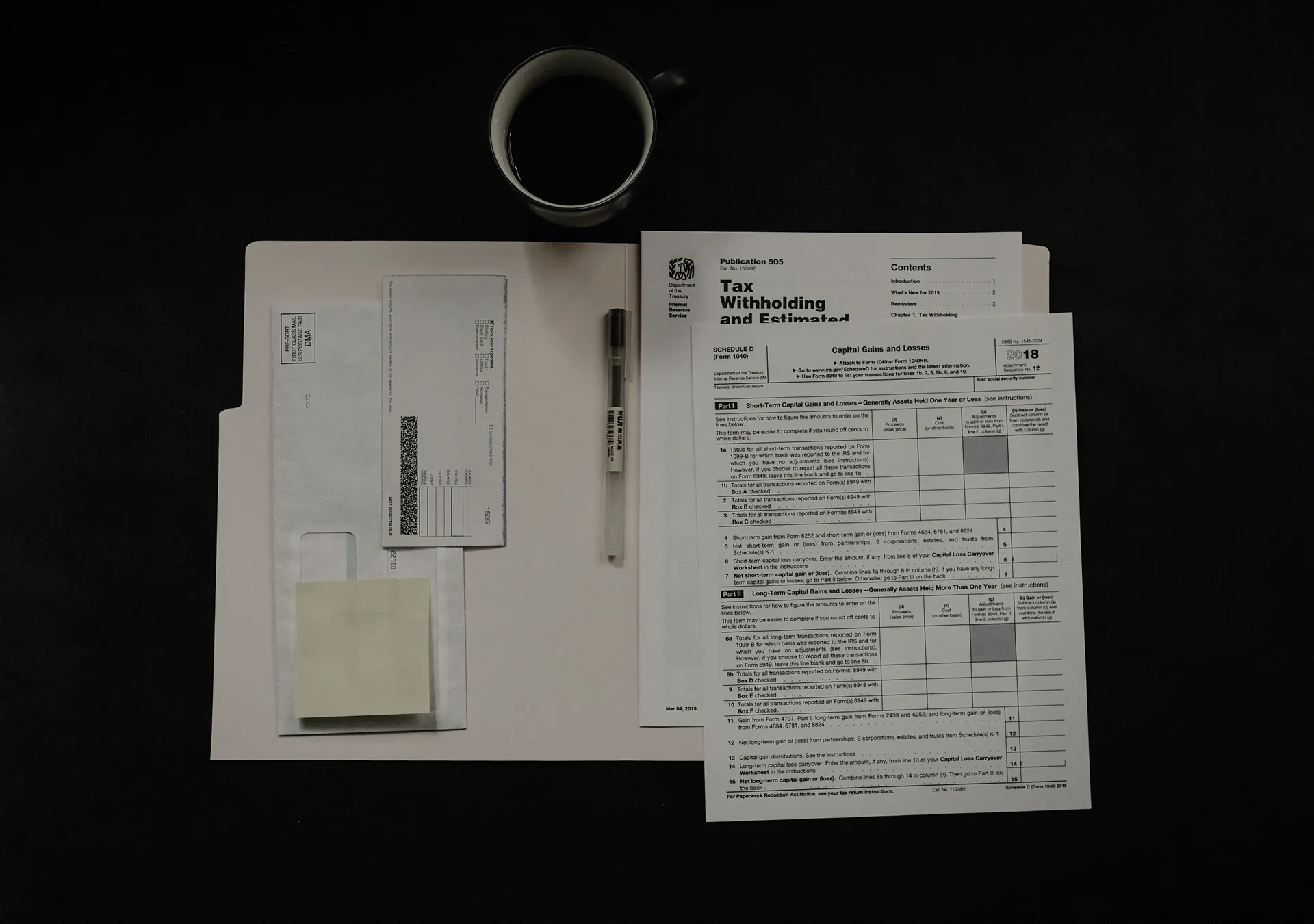
A benefit is quickly applied for. That does not mean it has been checked. Behind the application sit documents: an invoice, a cost estimate, an agreement with the provider, an earlier decision letter.
Whoever checks the claim reads these documents and compares them. Much of that work follows fixed rules. Another part calls for judgement. Document intelligence makes sense when it keeps the two cleanly apart.
#Which documents come in
In health and property insurance, the same document types keep recurring. Each comes with typical checks that are easy to describe.
| Document | Typical check | What Semantic² contributes |
|---|---|---|
| Invoice | Rate times quantity, totals, service date | Reads line items and compares them with contract and booking |
| Cost estimate | Deviation from the later invoice | Sets both documents side by side |
| Contract or agreement | Agreed rates and periods | Supplies the values the check runs against |
| Decision letter | Approved period and amount | Checks whether invoice and period match |
#Checks that are easy to hand over
Semantic² is built for checks that can be written as a rule. They come up in almost every benefit review and take a lot of time when done by hand.
- Rate times quantity: does the charged rate match the agreed one?
- Period: does the service fall within the approved period?
- Duplicates: has the same service been billed before?
- Totals: do the line items add up to the invoice amount?
- Plausibility: are dates in a sensible order?
Every one of these checks is readable and versioned. Anyone looking at a finding can see which rule applied, and in which version.
#Where the decision stays
Other questions cannot be written as rules. Is a treatment medically necessary? Is this a hardship case? Is a goodwill payment appropriate? Do two documents contradict each other, and which one prevails? Here the case officer decides.
This is not only a question of quality. Art. 22 GDPR gives people the right not to be subject to a decision based solely on automated processing that has legal effects, unless an exception applies. Semantic² therefore does not decide; it delivers a finding.
#How a finding reaches the case officer
Findings do not land in a separate tool but where the work already happens. Through task routing they go into workbins, with deadlines and ownership.
The card shows the finding over the document it came from, with the passage it read highlighted. Whoever opens it does not have to believe anything; they can check.

How a finding is made step by step, from reading to writing back, is described in What Semantic² reads.
#Keeping the policyholder in view
Review is not purely back-office work. If a document is missing, a person is waiting for their money. The sooner the gap is spotted, the sooner someone can ask for it.
This is where the Univerx Channel helps: instead of a letter, a link goes out through which the missing document is uploaded directly. If the policyholder calls, the agent sees the state of the case and the open finding on the desktop.
#What the EU AI Act says
The EU AI Act lists high-risk areas in Annex III. They include AI systems for risk assessment and pricing in life and health insurance, and for assessing eligibility for public assistance benefits.
Whether a specific review use falls under this depends on the case. Semantic² is designed for human oversight, logging and explainable findings. We clarify how your use is classified together with you; background is collected in the Trust Center under EU AI Act.
#Who writes the rules
Semantic² brings the mechanics; the business team brings the knowledge. Which deviation counts, from which amount a finding is worth raising, which agreement applies to which provider: the people who check today know this.
Rules change, for example when new rates are agreed. Because every rule has a version, it remains traceable which version applied at the time of the check. In disputes and queries, that is often the decisive piece of information.
#Read is not the same as certain
Scans are rarely clean. A stamp over the amount, a smudged digit, a rotated page. Semantic² shows the passage it read next to the finding. If a value cannot be read with confidence, the finding says so.
That keeps an uncertain reading visible. The case officer then checks the original instead of following a guess. That is more honest than a smooth number nobody questions.
#How to start
A pilot starts small: one document type, one group of rules, one team. That is enough to see whether reading and checking work on your documents.
Settle for the pilot
Numbers come only after the pilot. How many findings were accepted and what they were worth can only be read from your own cases.
The path from choosing documents to operations is described in the guide Using document intelligence in cases. Industry entry points: Insurance and Healthcare.
Related
View all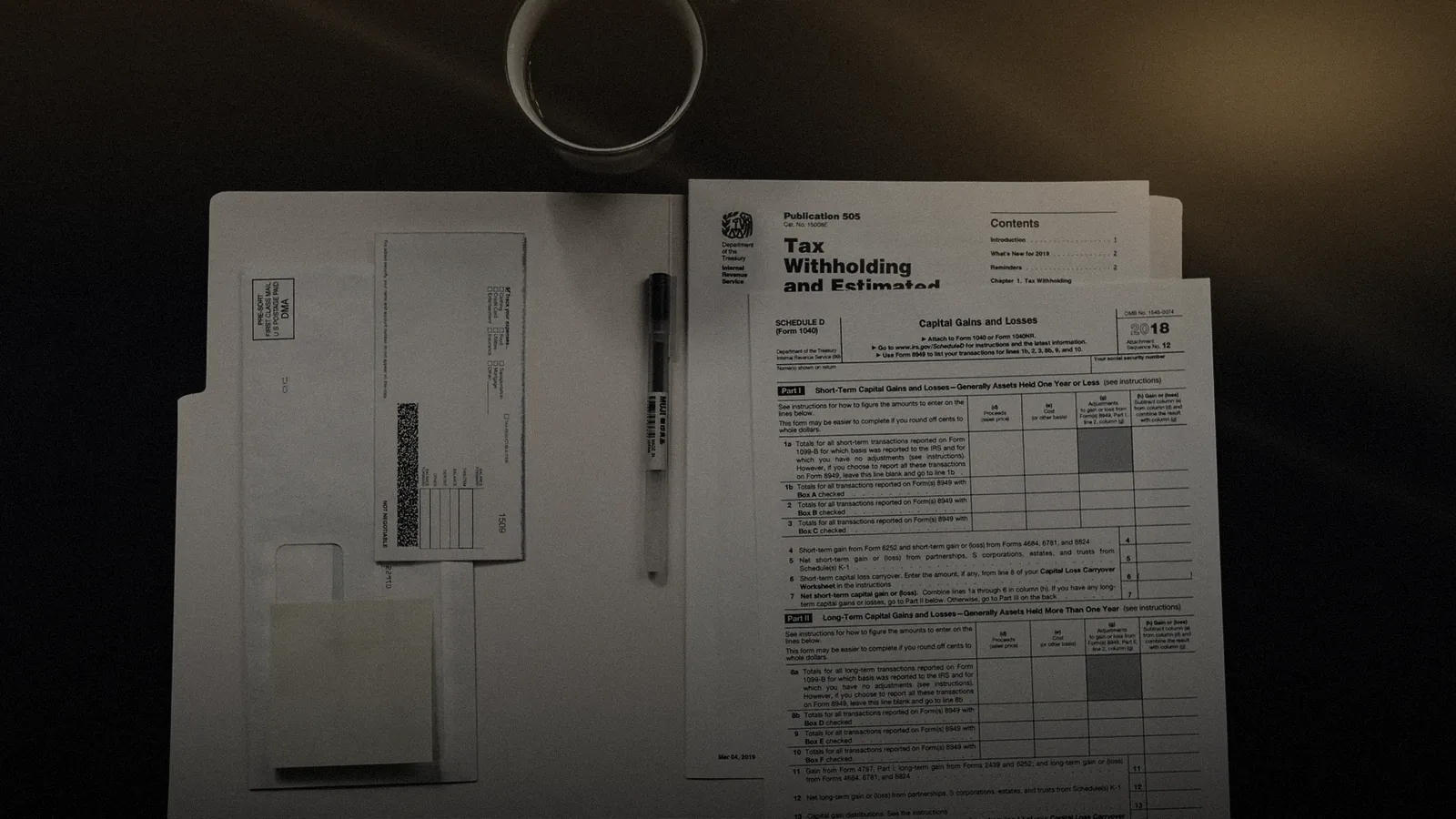 Practice & how-to1 November 2026 · 5 min read
What Semantic² reads, and how a finding is made
A finding is not a gut feeling. It has four parts, and each of them can be checked. This is how it is made.
 Health & insurance31 October 2026 · 5 min read
Appointments and reminders in healthcare: proactive instead of reactive
Someone reminded of an appointment does not need to call to confirm it. Someone who can move it with a reply does not need to call either. Proactive service starts with that simple logic.
 Public sector30 October 2026 · 5 min read
Citizen service without broken hand-offs: what has to come together
Broken hand-offs rarely happen in the portal. They happen at the handovers. Four building blocks close them: identity, shared view, signature and case.
 Guides2 November 2026 · 11 min read
Using document intelligence in cases
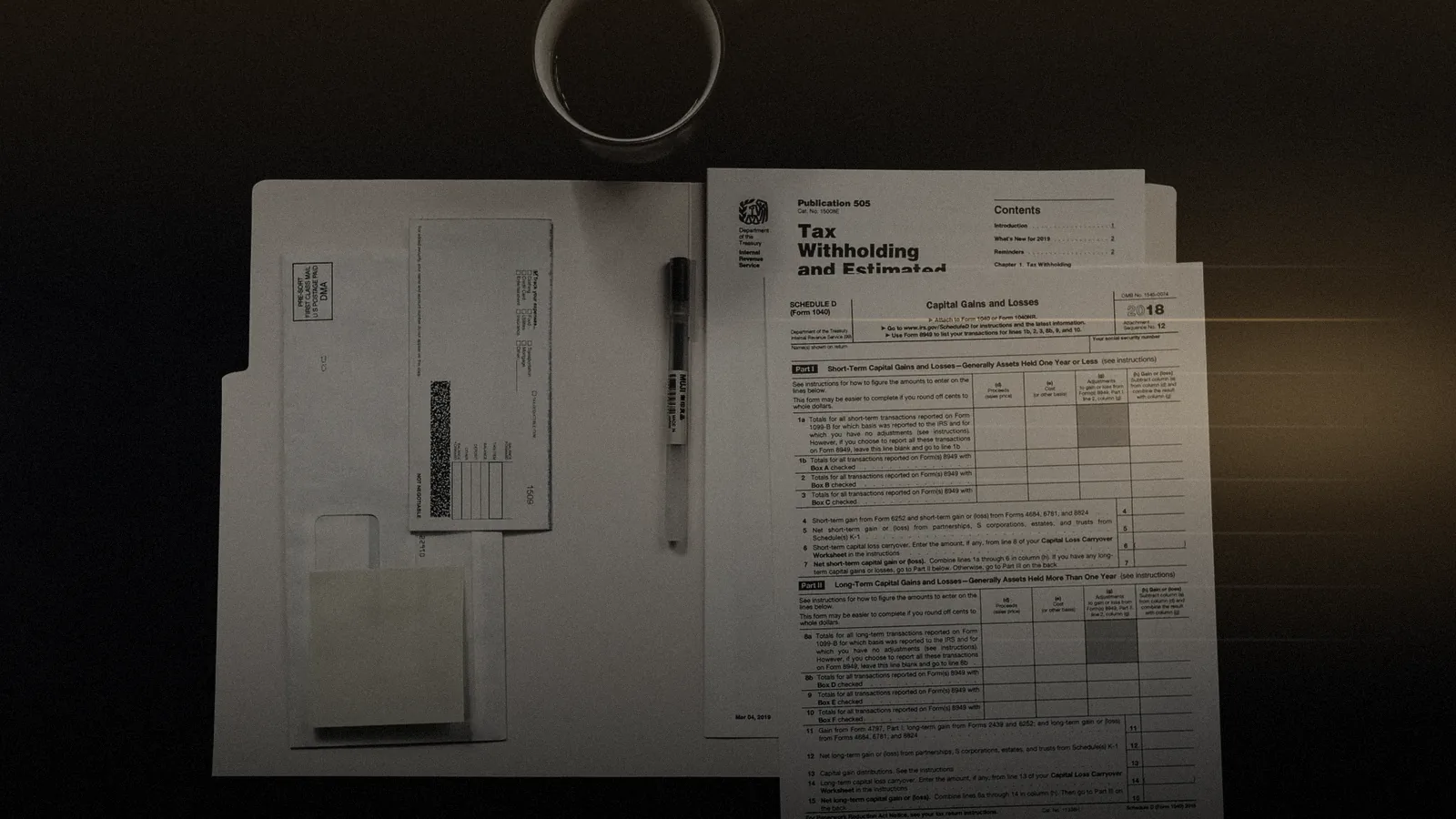
Which documents suit it, which checks make sense and which decision stays with people: a guide to introducing Semantic², from the first rule set to a pilot with a single document type.
 Glossary
EU AI Act
The EU's AI regulation classifies AI systems by risk and attaches duties to each class: prohibitions, strict requirements for high-risk AI, disclosure in dialogue. What that means for AI in customer service.
 Glossary
Data protection impact assessment (DPIA)
A data protection impact assessment examines in advance what risks a processing operation poses to the people concerned and how to limit them. In customer service it often applies to analytics, recording and AI.
 Glossary
Hallucination
A hallucination is an AI answer that sounds convincing but is wrong or invented. It follows from how language models work and can be limited, but never ruled out completely.
 Trust & Europe
EU AI Act
AI disclosure in dialogue, human oversight, logging and model approval: Univerx is designed for the duties of the AI Act. Which risk class your use case falls into, we work out together.
 Trust & Europe
Responsible AI
Transparency, human oversight, fairness, privacy and governance: the principles Univerx builds AI on, and the controls that put them to work in AI agents, Univerx Assist and Semantic².
 Trust & Europe
GDPR
Processing under Art. 28 GDPR, documents for your data protection impact assessment, retention and deletion policies and role rights. What exists you receive on request; what is a goal we call a goal.
 Products
Task routing
Back-office tasks are distributed like contacts: applications, forms, follow-up questions and wrap-up work reach the right person by skill, deadline and priority, with workbins and follow-ups.
 Products
AI Agents
AI agents understand the request, act in connected systems and hand over to people with context. On the phone as a voicebot, in chat as a text agent, always disclosed as AI.
 Products
Responsible AI
Transparency, human oversight, fairness, privacy and governance for every AI module in Univerx: AI agents, Univerx Assist, conversation analytics, knowledge and Semantic². Principles that work as settings.

See Univerx on your own example.
In a demo we show the platform along your channels and requests, from AI agents to video, workforce scheduling and analytics.
Online, in German or English, with no preparation on your side.